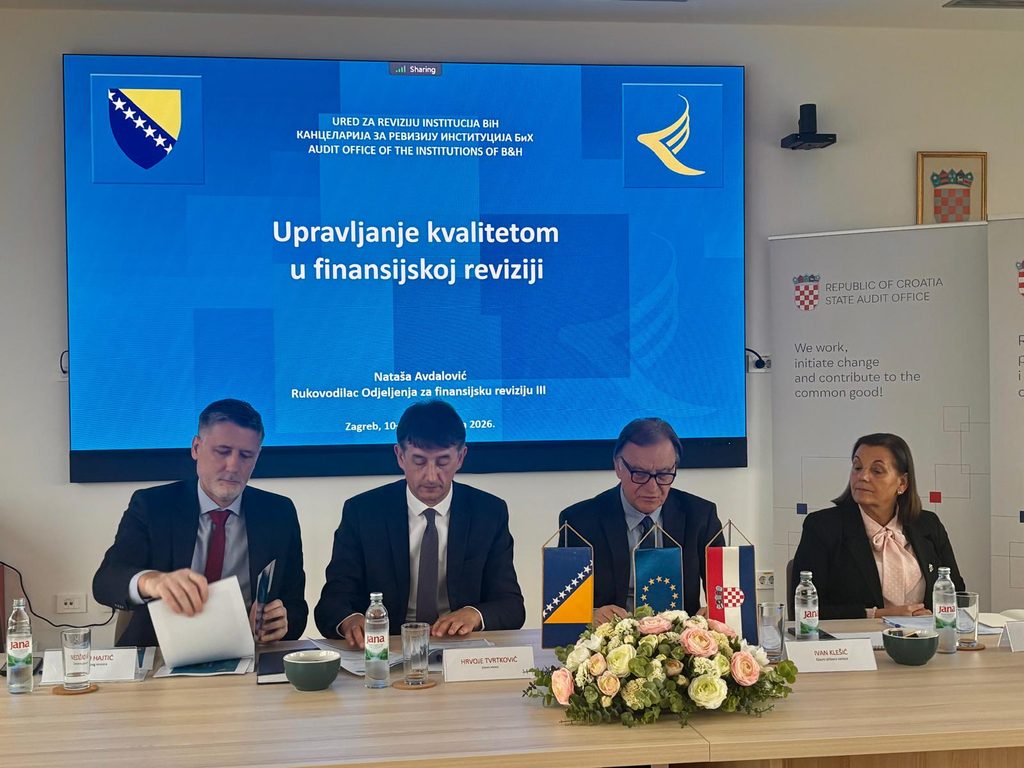
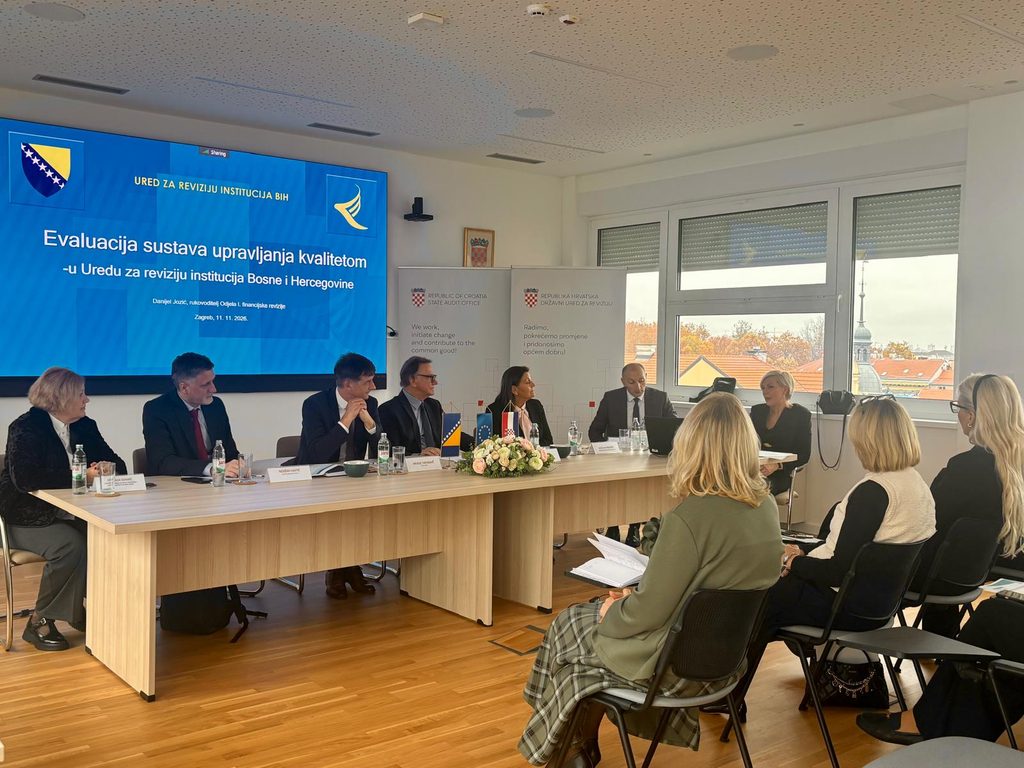
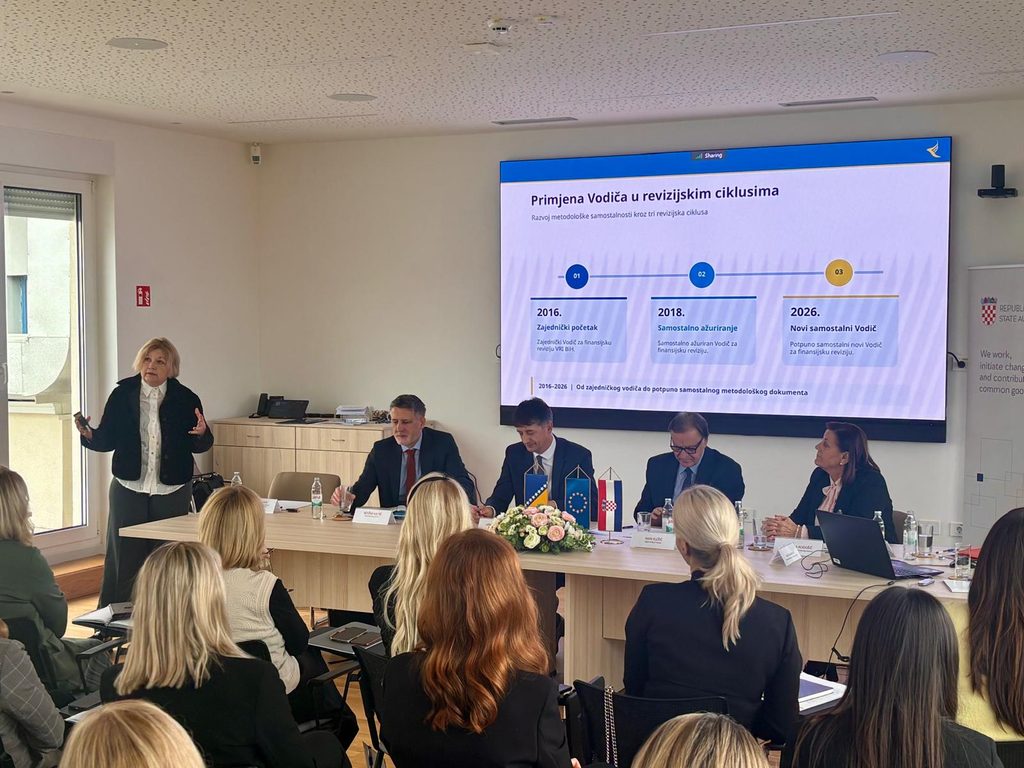
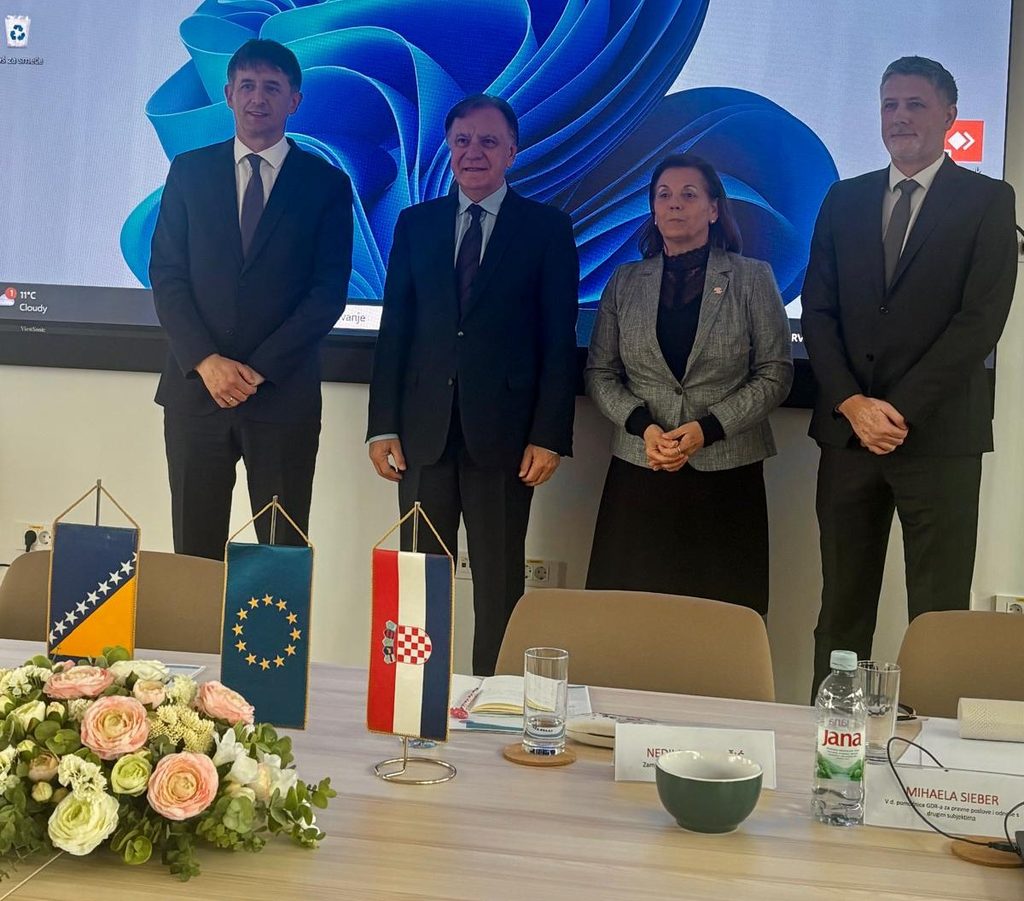
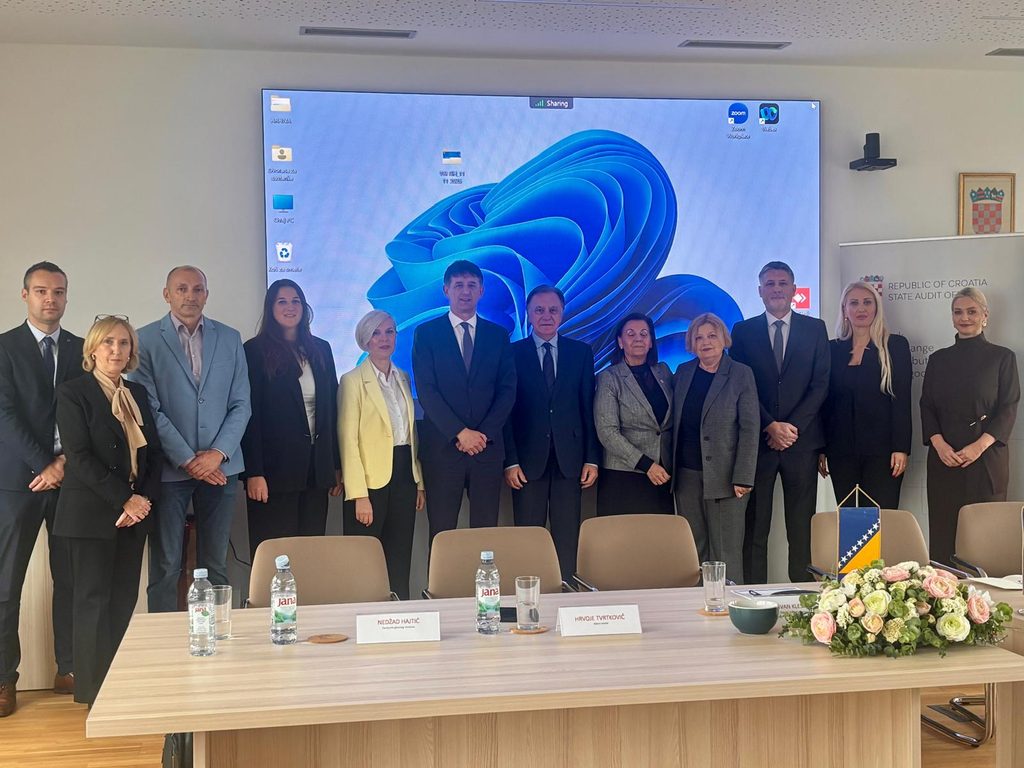
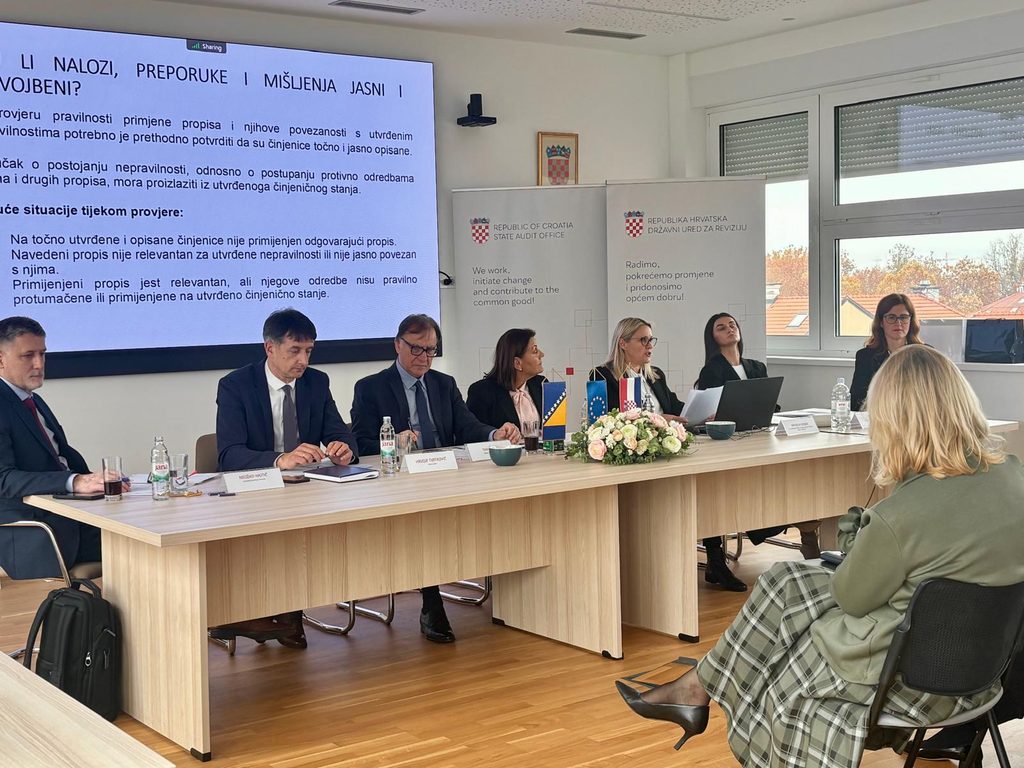
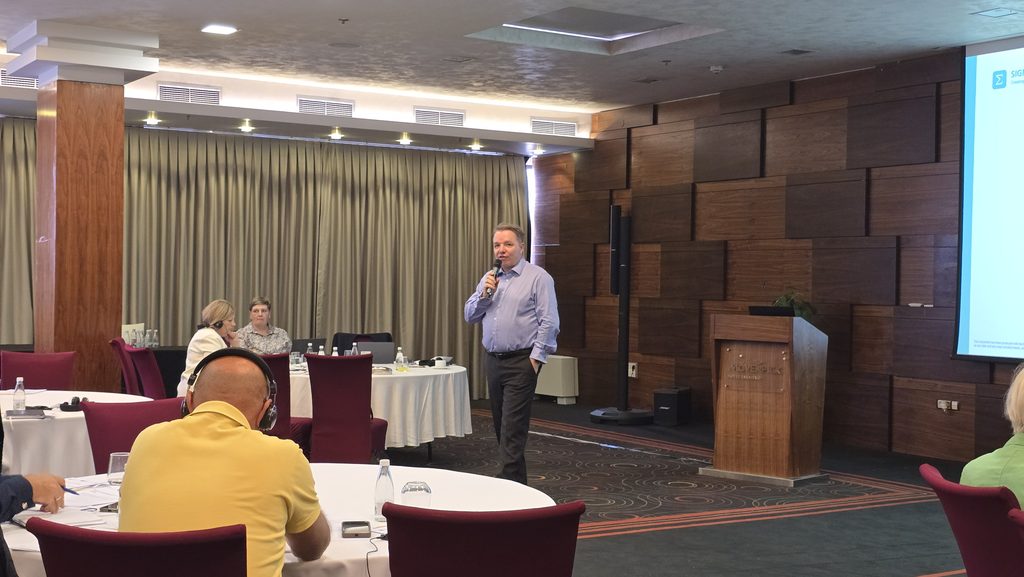
The second part of a bilateral professional seminar organised in cooperation with the State Audit Office of the Republic of Croatia took place in Zagreb on 11–12 November 2026, continuing the exchange of knowledge and experience initiated in Sarajevo in May this year. The delegations of the two institutions were led by Ivan Klešić, Auditor General of the Republic of Croatia, and Hrvoje Tvrtković, Auditor General of the Audit Office of the Institutions of Bosnia and Herzegovina.
Representatives of the Audit Office of the Institutions of Bosnia and Herzegovina presented their approaches to and experience in quality management in financial auditing, as well as the new Financial Audit Manual. The presentations provided a basis for professional discussions on improving audit methodology and practice and ensuring the quality of audit work.
The seminar also included an exchange of experience on legal support in financial auditing and personal data protection when conducting audits, with presentations delivered by representatives of the State Audit Office of the Republic of Croatia.
Participants highlighted the numerous benefits of this form of knowledge and experience sharing and expressed interest in continued cooperation and professional development in areas of mutual interest.
Sarajevo, 30 October 2026
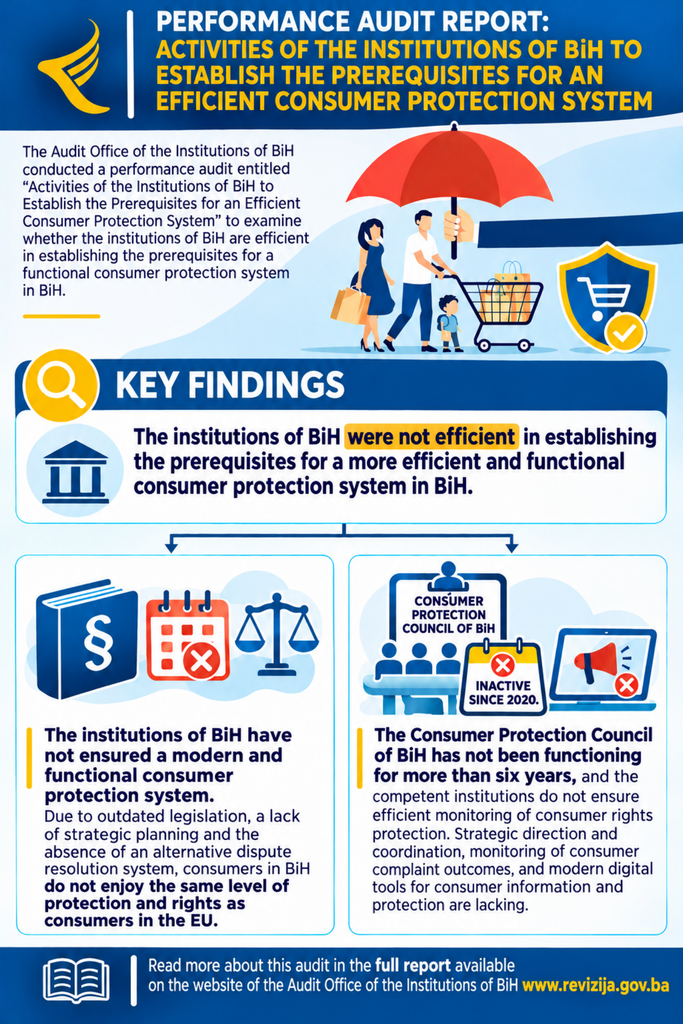
The institutions of BiH were not efficient in creating the conditions for a functional consumer protection system.
The Consumer Protection Law is 20 years old and is not aligned with European Union legislation, the key planning document has not been adopted for six years, and the Consumer Protection Council of BiH has not been functioning for more than six years.
These are some of the key findings of the performance audit “Activities of the Institutions of BiH to Establish the Prerequisites for an Efficient Consumer Protection System”, conducted by the Audit Office of the Institutions of BiH. Among other things, the audit found the following:
Consumer protection legislation is not aligned with EU legislation. The Law on Consumer Protection in BiH was adopted 20 years ago and has since been amended only once, without aligning it with EU legislation.
An alternative consumer dispute resolution system has not been established. No strategy has been adopted to support the development of this system, which would enable consumers to resolve disputes with traders more easily, quickly and at lower cost, without initiating court proceedings.
Consumer protection activities are not being planned. The State Annual Consumer Protection Programme in BiH has not been adopted for six years. Consequently, the basic planning document defining activities to improve consumer protection is missing.
The Consumer Protection Council of BiH has not been functioning for more than six years. Its last meeting was held in 2020. As a result, an important body responsible for coordinating the activities of the competent institutions, reviewing the situation and proposing measures to improve consumer protection is inactive.
Institutions do not adequately monitor consumer complaints and their outcomes. Records and reports do not contain all the necessary information on reported potential consumer rights violations and how they are resolved. This makes it difficult to identify problems, monitor institutional performance and plan measures to improve consumer protection.
Modern digital tools for informing consumers have not been developed. Despite initiatives, no web platforms or applications have been established to provide consumers with information on their rights in one place and facilitate access to protection mechanisms.
The Audit Office of the Institutions of BiH issued recommendations to the Council of Ministers of BiH and the competent institutions to accelerate alignment with EU legislation, improve planning, ensure the functioning of the Consumer Protection Council and improve the ways consumers are informed and protected.
The full audit report, including its findings and recommendations, is available on the website of the Audit Office of the Institutions of BiH: www.revizija.gov.ba.
Sarajevo, 30 October 2026
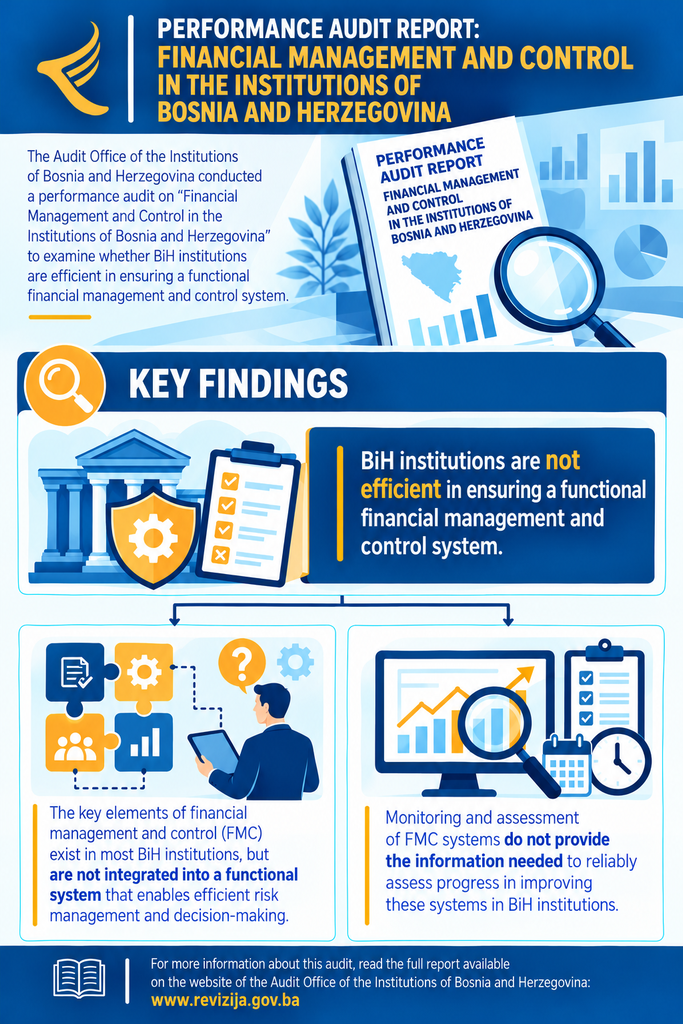
The institutions of Bosnia and Herzegovina are not efficient in ensuring the establishment, implementation and operation of financial management and control systems.
Although they have established the key elements of financial management and control (FMC) systems, these elements are not sufficiently interconnected or used in a way that ensures that FMC systems provide reliable support for risk management and decision-making.
The Central Harmonisation Unit of the Ministry of Finance and Treasury of Bosnia and Herzegovina has not ensured sufficiently efficient monitoring and assessment of the quality of financial management and control systems in BiH institutions.
These are the key findings of the performance audit “Financial Management and Control in the Institutions of Bosnia and Herzegovina”, conducted by the Audit Office of the Institutions of Bosnia and Herzegovina. Among other findings, the audit showed that:
Responsibilities for financial management and control are not clearly defined in all internal organisation rulebooks.
Institutions do not regularly update their business process maps and risk registers.
The planning of measures to improve the systems and the monitoring of their results are insufficiently developed.
Information on risks and measures implemented is not sufficiently used in decision-making.
The PIFC application, designed to support financial management and control, has functional limitations.
Quality assessments do not provide a complete picture of how the systems operate in practice.
It is not possible to reliably determine the extent to which implemented recommendations have contributed to improvements in the systems.
The Audit Office issued recommendations to BiH institutions and the Central Harmonisation Unit to:
define responsibilities more clearly and improve the links between key system elements;
improve risk identification and monitoring;
improve the monitoring of system quality and the results of measures implemented;
address limitations in the functionality of the PIFC application.
Implementing these recommendations should help BiH institutions manage risks better, make better decisions and use public funds more efficiently.
Further information on the audit findings, conclusions and recommendations, as well as the full report, is available on the Audit Office’s website: www.revizija.gov.ba.
Sarajevo, 12 October 2026
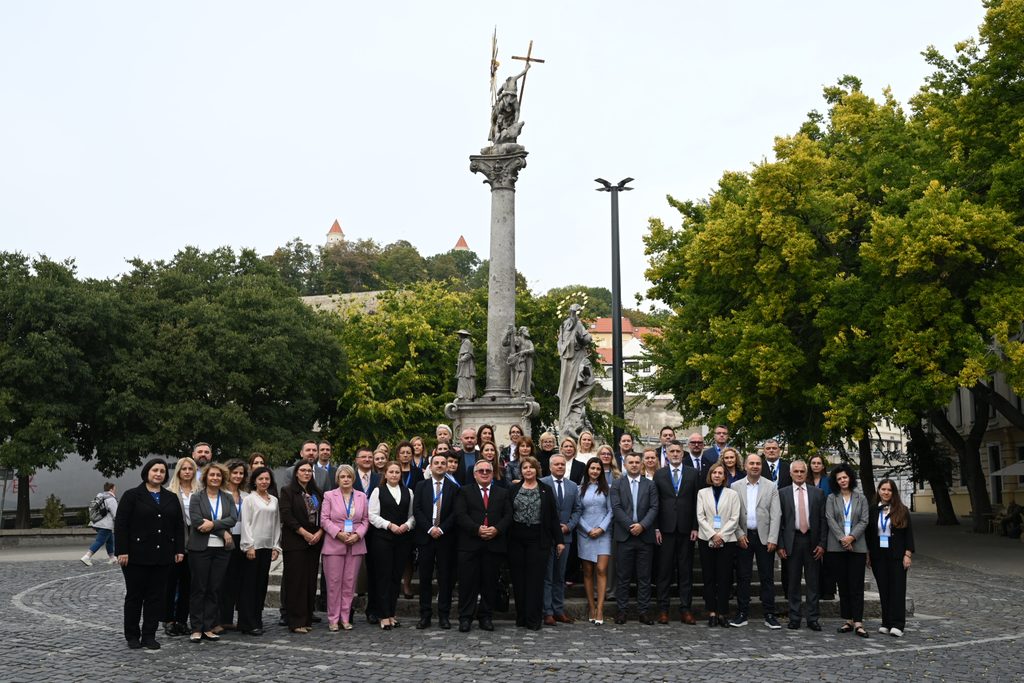
A delegation from the Audit Office of the Institutions of Bosnia and Herzegovina, led by Deputy Auditor General Nedžad Hajtić, participated in a regional study visit to Bratislava held from 7 to 9 October 2026. The visit focused on sharing experiences in auditing the Sustainable Development Goals, strengthening integrity in public procurement and preventing corruption.
The visit brought together around 50 representatives of supreme audit institutions, public procurement and anti-corruption bodies, UNDP, and experts from Slovakia, Albania, Bosnia and Herzegovina, Moldova, Montenegro, North Macedonia and Serbia.
The programme included exchanges with representatives of the Supreme Audit Office, the Public Procurement Office and the Antimonopoly Office of the Slovak Republic. Through presentations, practical examples and discussions, participants explored approaches to audits related to the Sustainable Development Goals, the use of data and digital tools in auditing, and the identification of risks and irregularities in public procurement.
Particular attention was given to detecting bid rigging, conflicts of interest and other practices that restrict competition. Participants were also introduced to MuMap, an application developed by the Supreme Audit Office of the Slovak Republic to support the use of data in audit planning and risk assessment. They also shared experiences in auditing municipal waste management.
The visit provided an opportunity to explore regional cooperation and information sharing, while respecting the mandates and responsibilities of the participating institutions, with the aim of improving transparency, accountability and efficiency in the management of public funds.
The study visit was organised under the “Smart Finance for Accountable Local Governance” project, implemented by the UNDP Istanbul Regional Hub and UNDP country offices in the participating countries, with financial support from the Ministry of Finance of the Slovak Republic.
Sarajevo, 1 October 2026
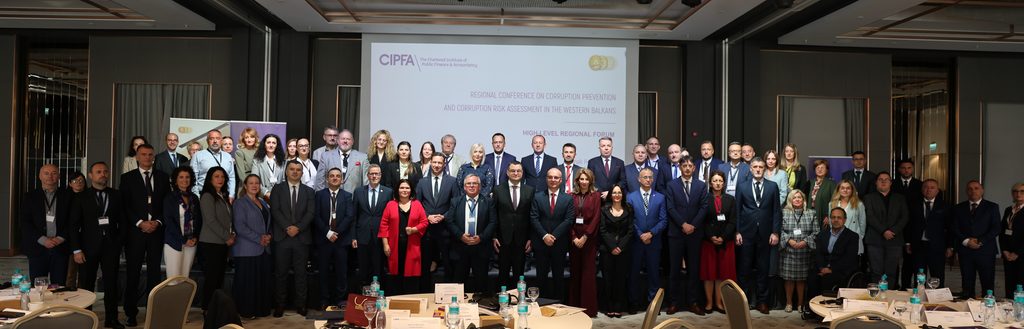
Auditor General of the Audit Office of the Institutions of Bosnia and Herzegovina, Hrvoje Tvrtković, participated in the Regional Conference on Corruption Prevention and Corruption Risk Assessment in the Western Balkans, held in Skopje on 30 September and 1 October 2026.
The Conference was organised by the State Audit Office of the Republic of North Macedonia and the Chartered Institute of Public Finance and Accountancy (CIPFA) from the United Kingdom. This regional platform for the exchange of experiences, practices and approaches to corruption prevention, corruption risk assessment, and strengthening institutional integrity and accountability brought together representatives of supreme audit institutions, anti-corruption bodies and public procurement institutions from the Western Balkans, as well as representatives of international organisations and partners.
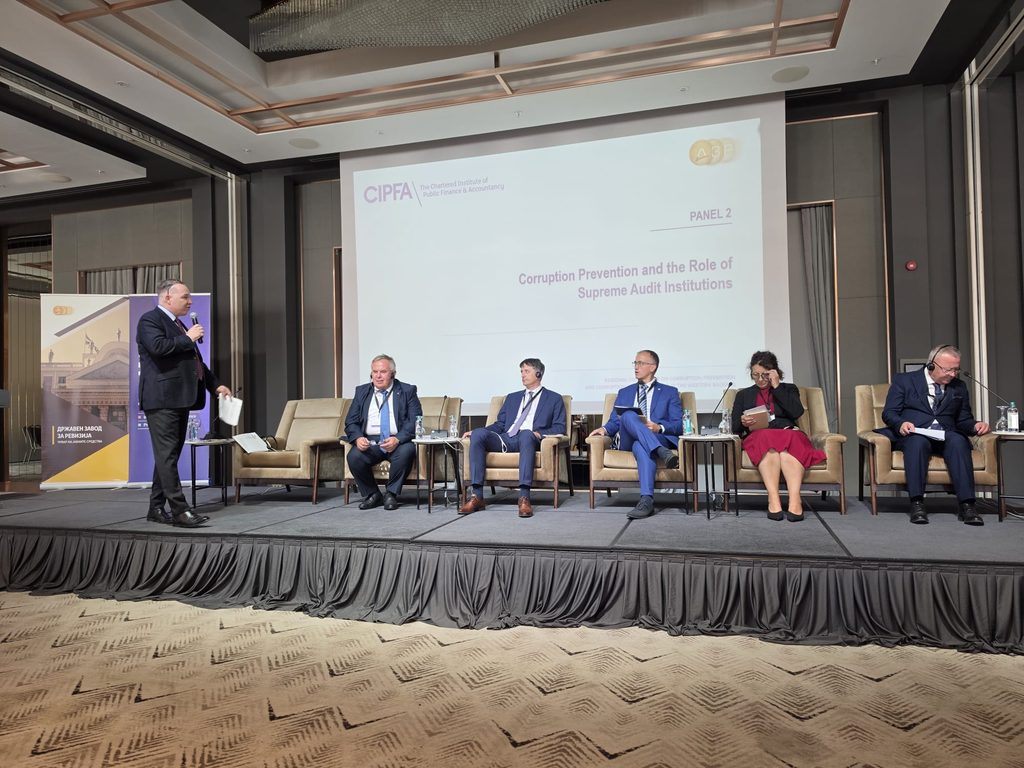
Auditor General Hrvoje Tvrtković participated as a panellist in the panel “Corruption Prevention and the Role of Supreme Audit Institutions.”
The panel discussion focused on the identification and assessment of corruption risks in the audit process, their impact on audit planning and the conduct of audits, cooperation between supreme audit institutions and anti-corruption bodies and public procurement institutions, as well as the role of international standards, EU-related requirements and regional cooperation in further strengthening the preventive role of audit.
The Conference also addressed public procurement as a particularly important area for corruption prevention, as well as the role of anti-corruption bodies in strengthening integrity and assessing corruption risks.
On the second day of the Conference, separate working sessions focused on practical approaches to corruption risk assessment, conclusions and recommendations, opportunities for future technical cooperation, and next steps in strengthening institutional and regional cooperation.
The Conference provided an opportunity to exchange experiences and good practices among institutions from the region and to strengthen cooperation in the areas of public sector auditing, public procurement and corruption prevention.
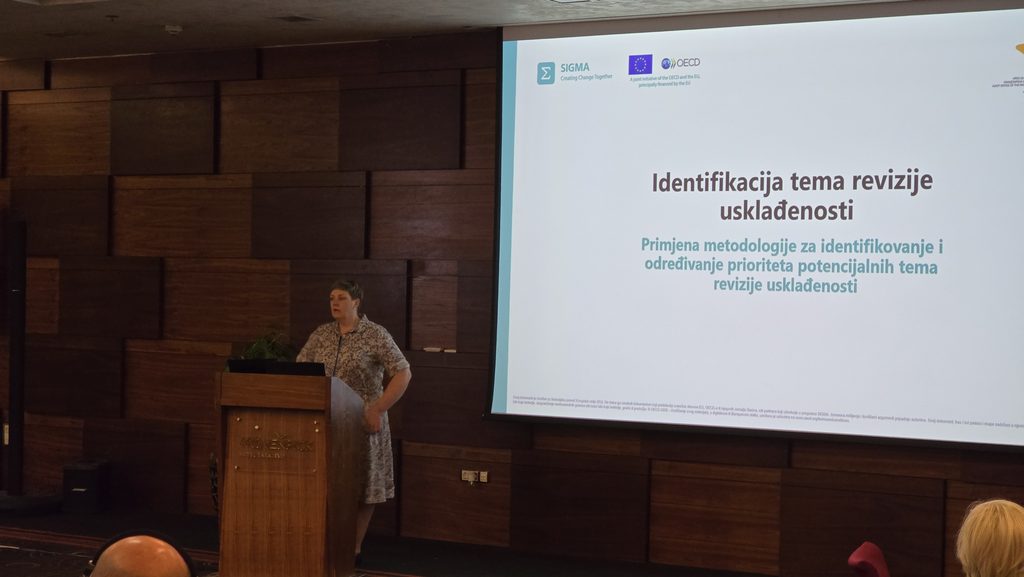
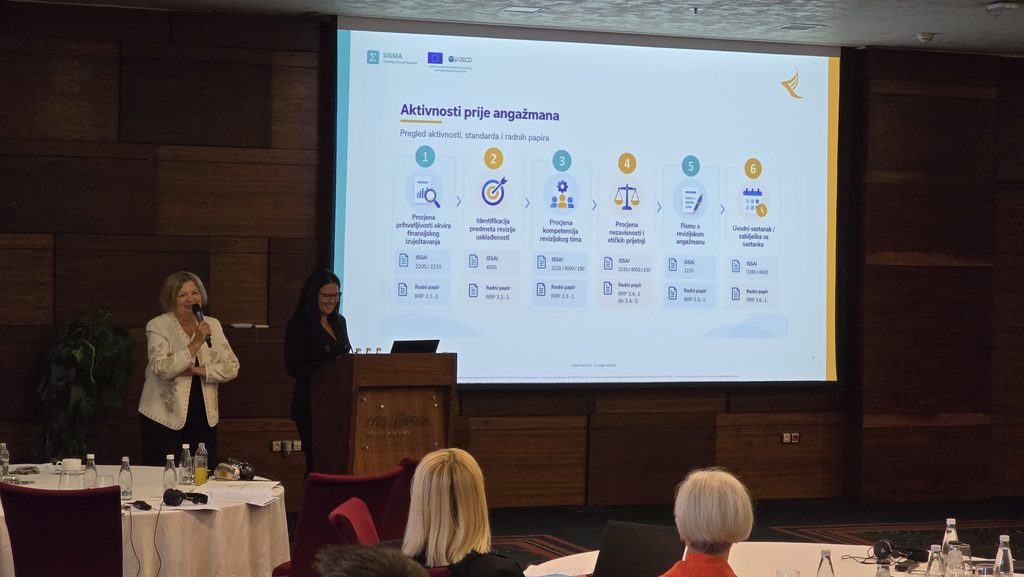
From 21 to 25 September 2026, a five-day training course on the new financial audit methodology of the Audit Office of the Institutions of Bosnia and Herzegovina was held in Sarajevo, in cooperation with the OECD/EU SIGMA Programme.
The training marked the final stage of a two-year process of updating the methodology, aimed at improving the quality, consistency and efficiency of financial audits and aligning the methodology with the INTOSAI Framework of Professional Pronouncements (IFPP).
Through presentations, discussions and practical exercises, the participants addressed the key stages of the audit process. The audit staff had an opportunity to apply the new methodological solutions, exchange experiences and clarify any outstanding issues before the methodology is formally adopted and implemented in the next audit cycle.
The Audit Office extends its appreciation to the representatives of the SIGMA Programme for the expertise, commitment and continuous support they provided throughout the two-year process of developing the new methodology, as well as during the training.
Members of the Audit Office’s working group were also closely involved in developing the methodology, bringing to the process their extensive practical audit experience, professional expertise and understanding of the institutional context in which the Audit Office operates. Their contribution was essential to developing a methodology that is both professionally sound and applicable in practice.
The Audit Office will continue to improve its methodology, strengthen the capacities of its audit staff and build on its successful cooperation with the SIGMA Programme.
Sarajevo, 7 August 2026
The Audit Office of the Institutions of Bosnia and Herzegovina conducted financial audits of the institutions of Bosnia and Herzegovina for 2025.
In accordance with the Law on Auditing of Institutions of Bosnia and Herzegovina, the financial audits covered 74 institutions of Bosnia and Herzegovina. The financial audit reports were submitted to the competent institutions of Bosnia and Herzegovina and are publicly available on the Audit Office’s website, www.revizija.gov.ba, for all audited institutions except the Intelligence and Security Agency of Bosnia and Herzegovina (due to statutory provisions governing the confidentiality of information).
Applying the relevant international standards and based on the financial audit procedures performed, the Audit Office expressed two types of opinions for each institution: an opinion on the financial statements and an opinion on the compliance of the institution’s operations with laws and regulations.
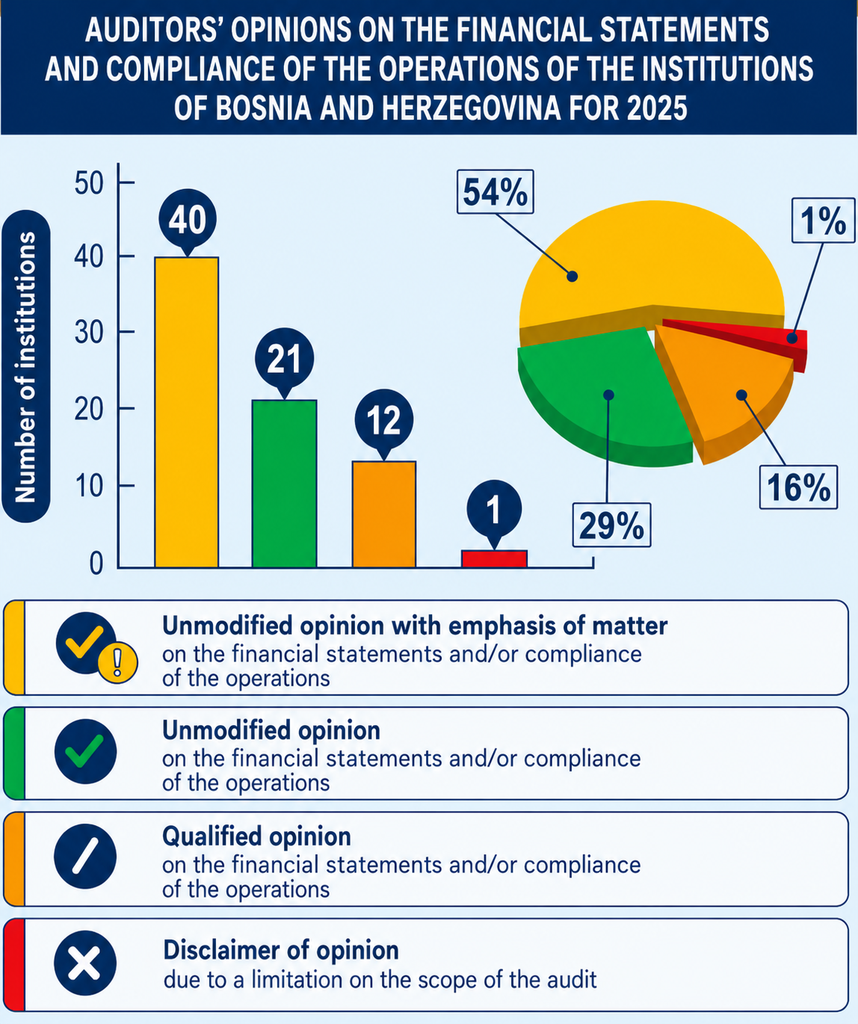
Of the 74 institutions audited, 21 institutions (29%) received unmodified opinions on both aspects (without emphasis of matter), 40 institutions (54%) received unmodified opinions on both aspects (with emphasis of matter), while 12 institutions (16%) received a qualified opinion on either the financial statements or compliance, with or without emphasis of matter. Due to a limitation on the scope of the audit, an opinion could not be expressed for one institution (1%).
The most significant findings included, among others, irregularities and deficiencies in the areas of public procurement, recruitment and engagement of persons under service contracts, non-compliant internal organisation, recording of receivables, liabilities, revenues and assets, implementation of capital projects, internal audit, grant management, and appointment of management bodies.
The table below provides an overview of the institutions whose operations in 2025 received a qualified opinion, either on the financial statements or on compliance with laws and regulations:
Institution
Basis for Qualified Opinion
Public Procurement Agency of Bosnia and Herzegovina
Receivables due from the Public Enterprise NIO Official Gazette of Bosnia and Herzegovina were neither recorded nor collected in accordance with the Public Procurement Law.
Agency for Statistics of Bosnia and Herzegovina
Employees were assigned duties that did not correspond to their positions, while external associates were engaged under service contracts to perform regular and continuous tasks.
Border Police of Bosnia and Herzegovina
Irregularities and deficiencies in the implementation of public procurement procedures.
Ministry of Defence of Bosnia and Herzegovina
Prospective immovable property was not recorded in the accounts. Irregularities and deficiencies were identified in the implementation of public procurement procedures.
Ministry of Foreign Affairs of Bosnia and Herzegovina
The actual balances of assets and liabilities were not reconciled with the balances recorded in the General Ledger.
Ministry for Human Rights and Refugees of Bosnia and Herzegovina
External associates were engaged under service contracts to perform regular and continuous tasks.
Commission to Preserve National Monuments
The procedure for appointing the Executive Officer was not initiated.
Service for Foreigners’ Affairs
Irregularities and deficiencies in the implementation of public procurement procedures.
Service for Common Affairs of the Institutions of Bosnia and Herzegovina
Irregularities and deficiencies in the implementation of public procurement procedures.
Administration of Bosnia and Herzegovina for Plant Health Protection
External associates were engaged under service contracts to perform regular and continuous tasks.
Indirect Taxation Authority of Bosnia and Herzegovina
Deficiencies and weaknesses were identified in the implementation of public procurement procedures and the monitoring of the execution of framework agreements.
Veterinary Office of Bosnia and Herzegovina
Liabilities and inventories of materials were not recorded reliably and completely.
The 2025 financial audit process of the institutions of Bosnia and Herzegovina also resulted in a significant number of recommendations issued to the institutions. Of the total of 444 recommendations issued, 226 were new, while 218 were repeated from previous years.
The publication of the financial audit reports marked the completion of the audit cycle for individual institutions of Bosnia and Herzegovina. The financial audit of the 2025 Budget Execution Report of the Institutions of Bosnia and Herzegovina and International Obligations of Bosnia and Herzegovina is currently under way, and the corresponding audit report will be prepared and published in the second half of September.
More detailed information on the audit opinions, as well as the full audit reports, is available on the Audit Office’s website: www.revizija.gov.ba.